
Posts Tagged ‘Connection’
So Much Anxiety at School–Help!
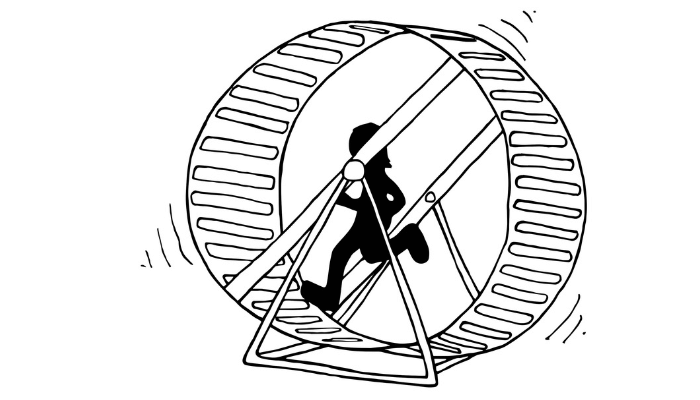
“There’s so much anxiety at school—help!” Our crew hears this consistently. We’re guessing you’ve also noticed it. If so, check out the Q&A with Ms. Jen below to get answers to some of your pressing questions about what you can do to help learners who may be experiencing anxiousness—and yourself too! Question 1: Is Anxiety…
Read MoreAfter a Student Flips Their Lid: Trauma-Sensitive Steps for Groups

Trauma-sensitive practices improve regulation for classrooms and schools. Still, youth will escalate sometimes. In this post, Ms. Jen shares a classroom sequence that can help everyone get regulated and ready to learn after a student flips their lid. Even if you’ve taught your students about brain states, you’re using hand signals to communicate about these…
Read MoreIf Not a Sticker Chart, Then What? Trauma-Sensitivity is Science

An earlier version of this article about addressing big behaviors at school was published in the Attachment & Trauma Network’s December (2015) Therapeutic Parenting Journal. Here’s an updated version. Big behaviors at school—every school’s got ’em. Maybe you’ve learned about adverse childhood experiences or been told that healthy relationships matter. While this advice is a…
Read MoreTrauma-Sensitive Educators are a Sign of Hope

Hope is a word I struggled with for a number of years because it was too often used superficially. I’ve since studied the topic and have a deeper understanding of what hope really is. Keep reading to learn why I assert that trauma-sensitive educators are a sign of hope. Plus, gain ideas for your classroom.…
Read MoreQuit Making it Worse: Three Trauma-Sensitive Suggestions for Educators

Especially after a short presentation, educators will sometimes say to me, “We’re going to take this slow and start small.” While I understand the sentiment, these words concern me because systems and schools do things every day that make things worse for youth, educators, school leaders, and families. We have to quit making it worse.…
Read More“You’ve Got a Friend in Me” And… I’m Relentless for School Change

James Taylor sums up a lot of life lessons in his songs—one of which is the importance of being a friend. Life’s painful for all of us sometimes (if not traumatic). While humans hurt one another, we also need each other to heal and grow. In this post, I explain how trauma-sensitive school relationships are…
Read MoreUnpacking Big Stress with Rock, Paper, Scissors

Big stress is impacting educators—it’s influenced by a lack of substitute teachers, student behavior concerns, heated conflicts (e.g., over mask mandates, how history should be taught, or affirming gender identities), and more. Together, it creates distress that can increase school personnel’s vulnerability for burnout. That’s because ruptures in relationships take a toll. Many educators feel…
Read MoreFoster Self-Compassion by Listening to Your Body

Once a therapist said to me, “Self-love may be too hard; aim for self-compassion.” Self-compassion, though, can be difficult too. What gets in the way? Would clearly defining compassion and self-compassion help? And, how can educators deepen their compassionate practices by listening to their bodies, particularly when nearing the end of an incredibly stressful school…
Read MoreTrauma-Informed Play Therapy: Attunement is Key
Play therapy is a powerful approach to working with children, including those who have experienced trauma. As a school-based registered play therapist, I’ve used play therapy in my work with both children and adolescents. What is play therapy, and how does it benefit youth? Also, what is trauma-informed play therapy? And, how might licensed professionals…
Read MoreUsing Plants to Encourage Taking Good Care
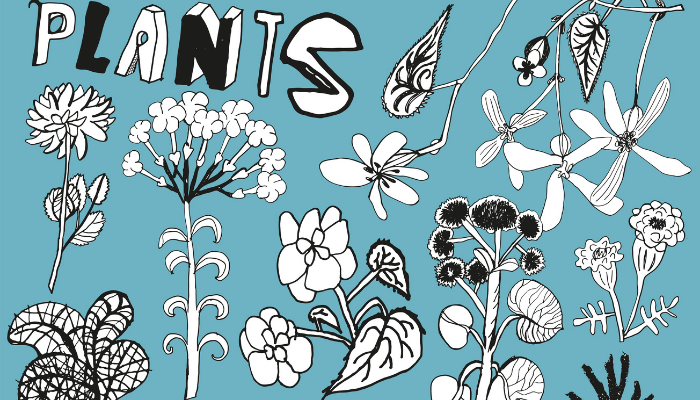
Layers of stress, trauma, and grief continue to impact people individually and collectively as the COVID-19 pandemic continues. As a leader you may be wondering how to tend to your people as well as students in meaningful ways. In this blog post, Ms. Jen explains one idea for using images of plants to encourage taking…
Read More